

How this company was built.
Sustainability at Volt is not a product claim. It is a set of decisions about how the business is structured, who owns it, and what it leaves behind.
Build the thing properly.
The energy transition has no shortage of companies selling equipment. Fewer are willing to take responsibility for what happens after the sale, or for what the equipment does to the building or the paddock it sits on.
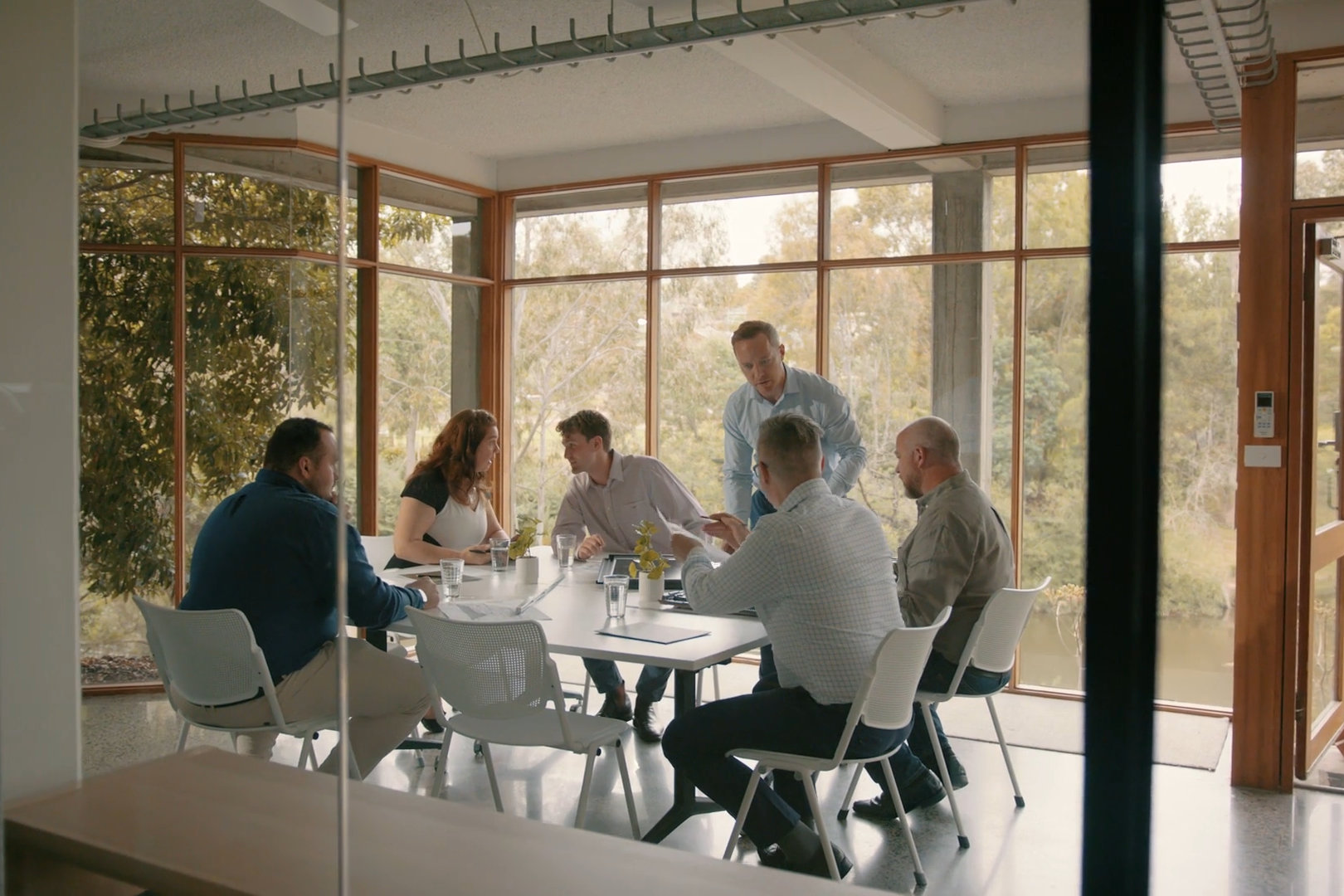
Volt was built the harder way on purpose. Own the technology rather than licence it. Train and certify the people who install it rather than sell through anonymous channels. Design for removal as carefully as for installation. Raise capital from the public rather than only from institutions.
None of that is charity. It is the position that produces a better product and a more durable business at the same time.
Four structural decisions.
01
Own the technology
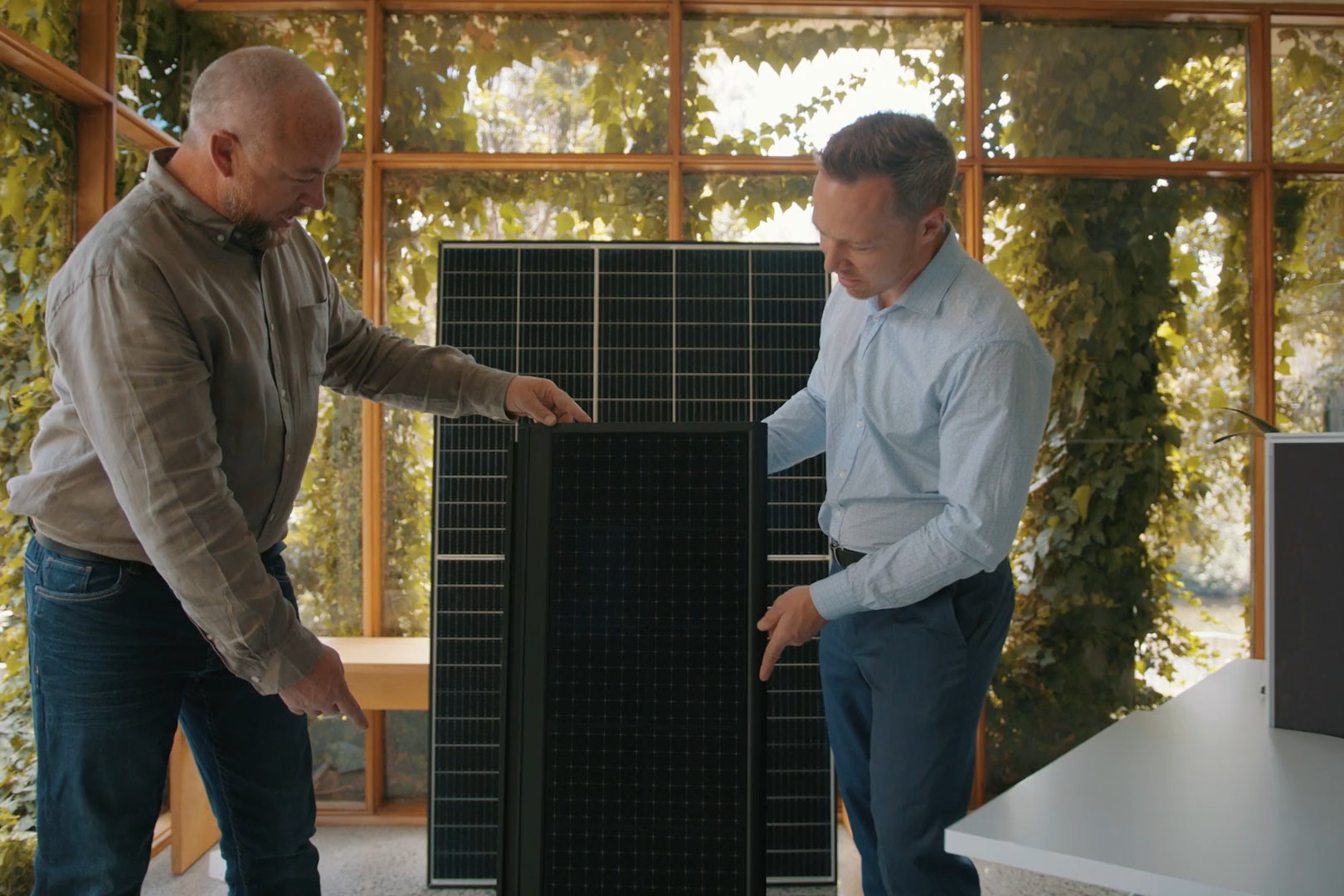
The interlock and cabling system was designed and engineered in house, in Australia. The technology is not licensed in from elsewhere.
02
Integrate vertically
In 2025 Volt moved from supplying components to selling and installing complete systems, so the company is accountable for the finished roof rather than the box.
03
Certify the trades
Installation is carried out by accredited solar electricians and roofing specialists trained and supported by Volt, not by whoever is cheapest on the day.
04
Scale the model
The same platform, the same engineering and the same installation capability carry into new markets, both across Australia and internationally.
Generation placed where the network needs it, on land that keeps working.
Peter Leeson.
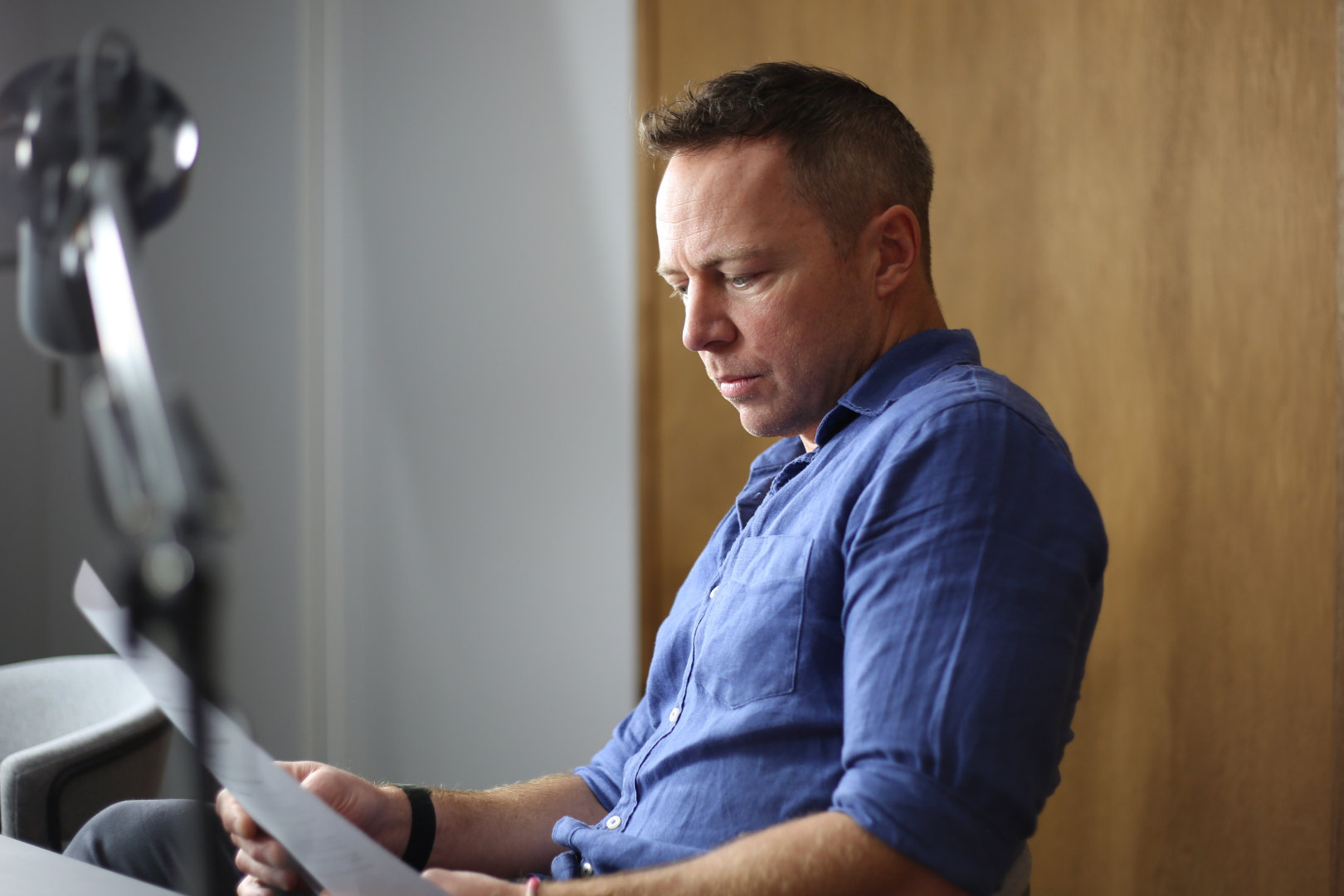
Peter is a renewable energy project developer and building integrated PV specialist with more than a decade of experience across the Australian renewables industry. His expertise spans grid connection, planning and permitting, project management, civil works, PV design and electrical systems engineering, and he has worked across the full development lifecycle, from feasibility and government approvals through to financial close and construction at scale.
Before founding Volt, Peter developed the Robinvale (9.2MW), Cohuna (34.2MW) and Girgarre (100MW) solar farms, and secured 2025 Federal Government Capacity Investment Scheme underwriting for the Corop Solar Farm, a $700M pipeline. These projects were developed in his prior capacity at Leeson Group and are not Volt assets.
Peter founded Volt to close a gap he had seen firsthand: rooftop solar treated as an afterthought, bolted onto homes rather than built into them. He set out to engineer solar that becomes the roof itself, and has since led the company from a hardware business into a vertically integrated energy company spanning direct to consumer installation and sub 5MW project development through Volt Projects. Under his leadership, Volt won a 2024 Good Design Award Gold for Engineering and moved to a direct to consumer model that materially lifted revenue and gross profit per project.
Speaking
Architects CPD, Integrating Solar Into HomesMelbourne and Sydney, presented with Brickworks Group
CPDAll Energy AustraliaAustralia's largest clean energy exhibition and conference
ConferenceSmart Energy Conference and ExhibitionSmart Energy Council
ConferenceAppearances and commentary
Solar Insiders, Volt from the blueGuest of Giles Parkinson and Sophie Vorrath
PodcastHave solar roof tiles finally arrivedThe Great Solar Business
PodcastRooftop RenewablesFunded Futures, the Birchal podcast
PodcastIn conversation with Glen MorrisSmart Energy Lab
VideoThe future of roofing, integrating solar innovation with aestheticsBirchal
VideoOn the United States market and taking the community on the journeyRenewEconomy
PressOn bringing jobs, taxes and module manufacturing to AustraliaOne Step Off The Grid and pv magazine Australia
PressVolt Solar Tile, the roof of the futureCleanTechnica
PressOn real world applications of BIPVArchitecture and Design
FeatureWhere to from here.
Investors
Register your expression of interest
Be notified when the CSF offer opens and receive the offer document, through OnMarket.
Go →Landowners and councils
Talk to us about your land
An honest first opinion on whether your site suits a solar farm or a Reserve battery.
Go →Architects and specifiers
Specify Volt on your next project
Technical specifications, finishes and the design library.
Go →Media and enquiries
Speak with the company
General, investor and partnership enquiries.
Go →